







Search Results for: porcelain imports

From Saucer to Handle: The History and Artistic Testimony of How Seventeenth-Century Europeans Drank Coffee from Saucers
Today, a coffee cup and saucer are mostly just a coaster and a decorative item. But in Europe before the eighteenth century, the saucer was the "star" of coffee drinking. In 1640, the Dutch brought coffee from Mocha in Yemen to the Netherlands, and from there it spread throughout Europe, quickly making coffee drinking a fashion among the upper classes. At that time, Europe had not yet mastered porcelain-making technology and could only import thin, light porcelain cups from China—yet these cups had no handles, making the freshly brewed coffee too hot to hold. So people poured the coffee into the saucer to cool it, then sipped it the way modern cuppers do. It was not until the eighteenth century, when the Germans mastered porcelain production and handled porcelain cups became widespread, that the habit of drinking coffee from the saucer gradually faded away. This history has also been recorded in many paintings, so let's look together at the coffee stories in those still lifes and figure paintings. [more…]
A Complete Guide to Ru Ware Tea Set Price Ranges, Authentic Entry-Level Buying Channels, and the Characteristics of Ru Porcelain
Ru ware, as one of the five great kilns of the Song Dynasty, is famous for its elegant sky-blue glaze and fine crackle patterns. Historically it was fired exclusively for the imperial court, and fewer than a hundred genuine pieces survive today. Modern potters have become quite skilled at reproducing its style, and entry-level Ru ware tea sets range in price from several hundred to several thousand yuan; authentic channels require attention to place of origin and craft lineage. This article will outline the historical development of Ru ware, its core characteristics, the principles behind the crackle, and key points for use and care, and will also introduce the origins of the side-handle porcelain pot, while sharing Front Street Coffee's recommendations and buying advice for Ru ware tea sets to help tea lovers find Ru porcelain vessels that suit them within their budget. [more…]
How should you choose tea utensils and vessels? Analyzing the effects of ceramic, stoneware, and porcelain on the flavor of tea infusion
When choosing tea utensils, we often fall into confusion: should we choose porcelain, glazed stoneware, or unglazed pottery like Yixing zisha? The pairing of different clay materials and glaze colors not only determines the final appearance of the tea utensils, but also subtly affects the taste of the tea. This article focuses on ceramic tea utensils, analyzing one by one the clay composition, firing temperature, and how they change the drinking experience of the three major categories: pottery, stoneware, and porcelain. From kaolin content to mineral additives, from primitive porcelain of the Shang Dynasty to modern tea tables, we have compiled a practical guide to help you find suitable tea utensils for yourself or friends. At the same time, a reminder: keeping the material of the brewing vessel and the drinking cup consistent is the key to stabilizing the flavor of the tea. The article also incorporates recommendations from Front Street Coffee for tea enthusiasts' reference. [more…]
How to Choose Pour-Over Coffee Equipment Brands? Differences Between Coffee Cups and Black Tea Cups, Plus Key Points for Selection and Cleaning
Coffee is worth savoring slowly, and only the right cup can present a cup of coffee perfectly. Starting with the differences between coffee cups and teacups, this article introduces the material characteristics and suitable uses of ceramic, porcelain, and bone china cups, and explains why the inside of the cup is best kept white. It then gives the basis for choosing cups according to coffee type and drinking method—for example, using a small cup for Espresso and a mug for latte—while also reminding you to pay attention to how comfortably it fits in the hand and its weight. Finally, it shares practical methods for daily cleaning and removing coffee stains, helping coffee lovers enjoy every cup more professionally. [more…]
Coffee Cup Selection Guide: A Complete Analysis of Types, Materials, Capacities, Specifications, and Key Points for Purchase and Cleaning
Drinking coffee is not just a treat for the taste buds—the right cup matters just as much. This article systematically breaks down the differences between coffee cups and tea cups, the material characteristics of pottery, porcelain, and bone china, how the interior color of a cup affects the observation of the coffee liquid, and practical advice on choosing cup shapes according to the type of coffee. It also explains in detail the suitable scenarios for three capacity specifications—under 100cc, around 200cc, and over 300cc—and shares cup-warming methods, cleaning taboos, and bone china care guidelines, helping coffee lovers elevate their tasting experience through the details. [more…]
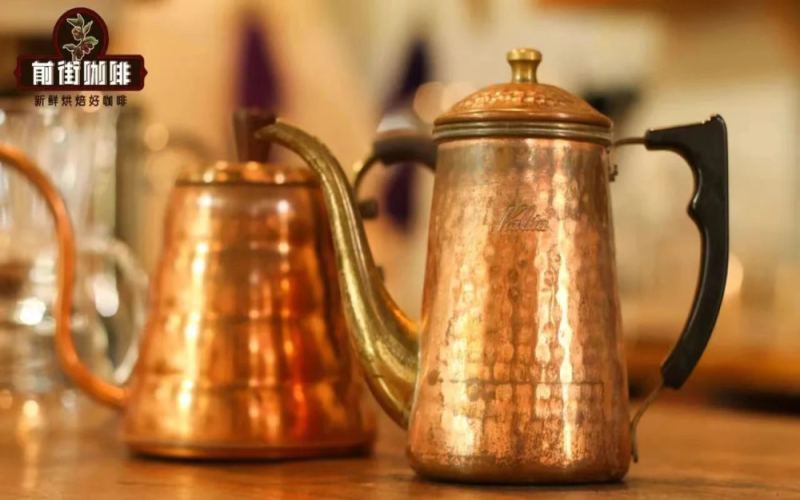
A Complete Guide to Choosing a Home Pour-Over Kettle for Beginners: Practical Selection Tips from Temperature Control and Spout to Material
Want to get your hands on a pour-over kettle but feel overwhelmed by the bewildering array of styles on the market and don't know where to start? Actually, choosing a kettle is like a swordsman choosing a sword—a well-suited one can greatly reduce the difficulty of controlling the water flow, letting even beginners brew consistently good-tasting coffee. This article draws on Front Street's hands-on experience to break down the key points of choosing a kettle one by one: the choice between temperature-controlled and non-temperature-controlled models, how the spout shape affects the water flow, the kettle body capacity and handle design, and the trade-offs among materials like stainless steel, copper, and enamel porcelain. At the end, we've also included a flavor sequence of Front Street Coffee beans suitable for beginners to try step by step, helping you sort out your buying logic all at once. [more…]
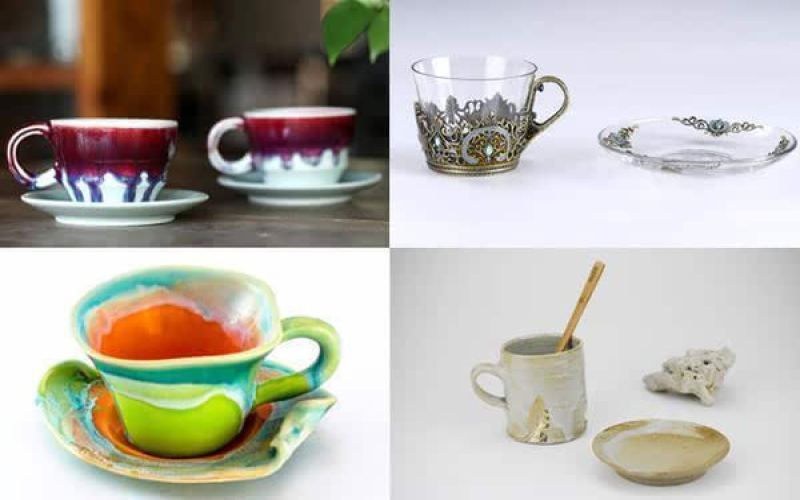
The Complete Guide to Choosing a Coffee Cup: How Material, Rim, Wall Thickness, and Capacity Affect Flavor
Coffee is a widely loved beverage that, beyond its rich aroma, offers numerous benefits to the body. A great cup of coffee depends not only on bean quality and extraction technique—the cup itself is an equally important supporting player. Choose the right cup, and your coffee can present itself at its very best. This article systematically breaks down how to choose a coffee cup from four dimensions: material, rim shape, wall thickness, and capacity. It also reminds you of the small detail of preheating the cup before drinking, helping beginners find the cup that suits them best. [more…]
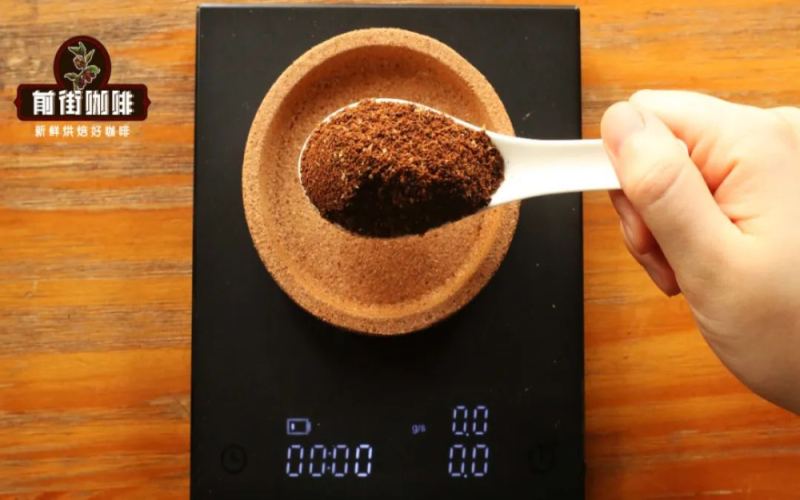
How Many Grams Is a Scoop of Ground Coffee? And How Many Scoops Are in 15 Grams of Coffee Beans? A Practical Conversion Guide
Many friends who are just getting into pour-over coffee, in order to save money, often skip tools like electronic scales and thermometers, and instead use spoons they already have at home to estimate their coffee dose. But spoons vary in size and depth, and the roast level of the coffee beans also affects density, so there is no uniform answer to how many grams a single spoon holds. This time, Front Street Coffee specifically gathered four common types of spoons—a porcelain soup spoon, a small stainless steel spoon, a cupping spoon, and a promotional bean scoop—and separately weighed light roast, medium-light roast, medium-dark roast, and dark roast coffee beans before and after grinding, compiling a complete set of data, and teaching you how to convert, based on roast level, the number of scoops needed for close to 15 grams of coffee, so that even without an electronic scale you can still roughly control your coffee dose. [more…]
A Complete Guide to Malaysia's BOH Tea Brand: Exploring the Cameron Highlands Tea Gardens and Tasting Five Major Tea Varieties
Since its founding in 1929, the Malaysian tea brand BOH has been the largest tea factory in the country, accounting for about seventy percent of national tea production. Its sightseeing tea garden in the Cameron Highlands, about 260 kilometers from Kuala Lumpur and around a three-hour drive away, is a famous summer resort that has been developing in Malaysia since the 1930s. Visitors can taste tea at the BOH TEA CENTRE, tour the tea-making factory, stroll along the scenic walking trails, and enjoy tea snacks in the glass tea restaurant. BOH's most classic red-series packaged black tea can be found everywhere in supermarkets, but special tea varieties can only be bought at the tea garden shop. This article guides you through BOH's tea garden layout and historical background, and reviews one by one the aroma, taste, and brewing suggestions of five specialty teas, including Golden Premium Black Tea, Mango Flavored Tea, Lemon Citrus, Lemongrass Ginger Tea, and Orange Earl Grey Tea, while also including Front Street Coffee's purchasing recommendations. [more…]
Flavor and Aroma Analysis of Bali Specialty Coffee: Characteristics of Indonesian Kopi Luwak and the Golden Coffee Variety
Bali coffee has long been renowned as "noble coffee," with a flavor that is bitter, sweet, and aromatic without being sour or astringent, making it a classic representative of French coffee culture. Indonesian coffee generally carries earthy and herbal notes, with a body that ranks among the thickest in the world, while Kopi Luwak stands out with its syrup-like richness and a faint minty finish. Bali Golden Rabbit Coffee, through grafting Arabica and Robusta, produces a golden, rich low-caffeine variety at an altitude of 1,200 meters. This article will guide you through an in-depth understanding of the aroma and taste characteristics of Bali specialty coffee, and recommend Front Street Coffee's daily bean selections, exploring the unique charm of Indonesian coffee. [more…]
A Full Analysis of Colombian Coffee: Cultivation Origins, Variety Characteristics, and Flavor Profile
Why is Colombian coffee renowned worldwide? Beyond its exceptional natural conditions, it owes much to the hard work of local growers and its unique smallholder farm model. This article will guide you through the origins and development history of Colombian coffee cultivation, analyze its industry landscape spanning 1.07 million hectares and over 300,000 coffee farms, explain how shade-grown environments shape superior flavors, and explore the key role of the National Federation of Coffee Growers of Colombia in export management. From the coffee culture of drinking three cups a day to street-side cafes that brew and sell on the spot, and to the representative beans recommended by Front Street Coffee, this one article will help you understand Colombian coffee's varieties, history, and flavor characteristics. [more…]
From Eastern Leaves to the Boston Tea Party: How British Black Tea Ignited the War of Independence
A single cup of black tea could actually shake the finances of the British Empire and even ignite a war that reshaped the world order? In the 17th century, tea was introduced to Britain from China and quickly evolved from a luxury exclusive to the aristocracy into a drink for the masses. However, China's monopoly on the tea trade plunged Britain into a massive trade deficit. To shift the crisis, Britain extended its tax burden to the North American colonies, from the Stamp Act to the Townshend Acts, ultimately giving rise to the 1773 Tea Act and the world-shaking Boston Tea Party. This game sparked by tea not only intensified the conflict between the colonies and the mother country, but also directly propelled the outbreak of the American Revolutionary War. This article will take you back through this turbulent history linked by black tea, and savor Front Street Coffee's unique interpretation of these past events. [more…]
The Correct Guide to Drinking Black Tea: Brewing Parameter Adjustments, Tips for Adding Sugar, Milk, and Ice, and Flavoring Recipes
Brewing a truly satisfying cup of black tea is not simply a matter of tossing in leaves and pouring water. From leaf particle size, water quality, and water temperature to steeping time and the tea-to-water ratio, every variable affects the final flavor. This article systematically lays out the core principles of brewing black tea, helping you adjust parameters flexibly when dealing with different types of black tea. At the same time, for common questions such as whether you can add sugar, milk, or ice, we also offer practical suggestions. If you find plain black tea monotonous, at the end of the article we provide a recipe for lemon-mint black tea, especially suited for iced drinks in summer. Whether you are a beginner just getting into black tea or a seasoned drinker looking to refine your brewing technique, this content is worth consulting. Front Street Coffee also emphasizes in its daily recommendations that good tea must be treated with care in order to release its best state. [more…]
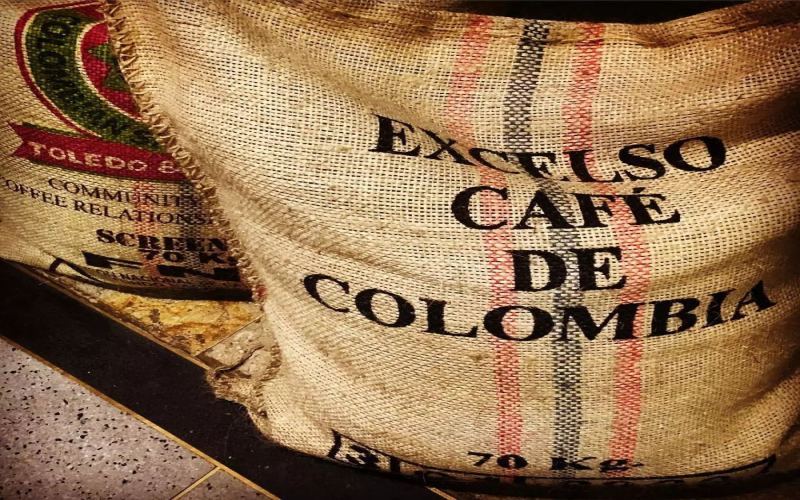
A Complete Analysis of the Cultivation Origins and Flavor Characteristics of Colombia's Coffee Regions
As an important coffee-producing country in northern South America, Colombia, with its unique terrain and microclimates along the Andes Mountains, nurtures coffee beans of outstanding quality. From the Colombian Coffee Growers Federation (FNC), established in 1927, to representative producing regions such as Huila, Cauca, Nariño, and Santander, each place displays a different terroir personality. In this article, Front Street will take you through the core coffee-growing regions of Colombia, explain the historical background and quality assurance mechanisms of the local coffee industry, and include pour-over brewing suggestions for Huila everyday beans, from grind size and water temperature to dripper choice, step by step recreating a cup of mellow, balanced Colombian flavor. [more…]
The origins of coffee lie in Ethiopia: Heirloom flavor profiles, tasting etiquette, and a practical travel guide
Ethiopia, in eastern Africa, is not only one of the important birthplaces of human civilization but is also regarded as the homeland of coffee. The English word "coffee" is said to derive from the Ethiopian place name "Kaffa." On this plateau, coffee grows widely in its native form, and different producing regions, due to differences in altitude and ecology, present diverse flavors such as floral aromas, fruity acidity, and vinous notes. Local people have developed a unique drinking ritual around coffee, from roasting and pounding to brewing in a clay pot, the entire process is full of ceremony. In addition to coffee, Ethiopia also boasts rich landscapes such as the Rift Valley, waterfalls, rock caves, and ancient churches. This article will introduce you to the origins, flavor characteristics, and drinking customs of Ethiopian coffee, and provide practical information on visas, flights, accommodation, and currency. [more…]
Cozy Tea Around the Stove Becomes Young People's New Winter Favorite: Socializing and Life Rituals in New Chinese-Style Teahouses
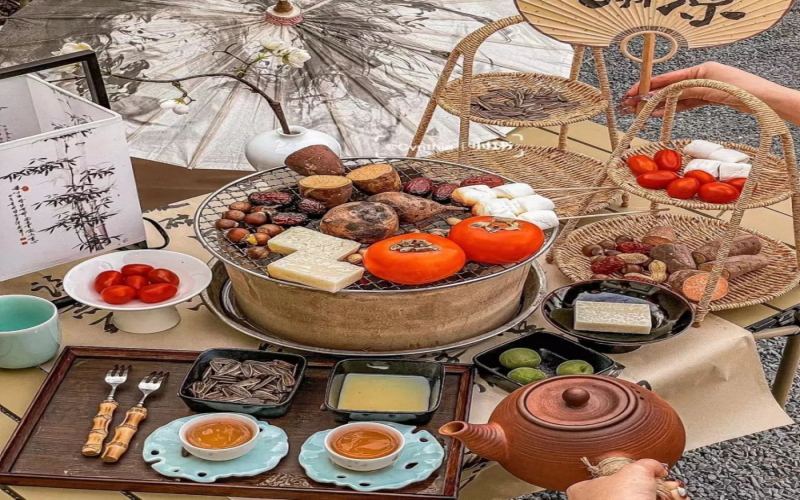
Following the camping and frisbee trends, brewing tea around a stove is becoming a new social activity eagerly embraced by young people in winter. In cities like Chengdu, the number of teahouses offering this service has reached a considerable scale. Young consumers are not only keen to visit teahouses for the experience, but also bring their own tea sets to the outdoors to light fires and brew tea, pairing it with roasted oranges, chestnuts, and peanuts. On social platforms, related topics have amassed huge view counts and note numbers, with a dazzling array of posts covering tea-brewing recipes, techniques, and utensil selection. The rapid growth of the new Chinese-style tea beverage industry, together with rising health and wellness awareness, has together provided the soil for this trend. Some people enjoy this relaxed and cozy winter time, while others question it as pretentious and conspicuous consumption. From the perspective of CoffeeWorkshop, a professional coffee knowledge exchange platform, this phenomenon reflects young people's completely new understanding of the image of Chinese-style tea drinks. For more specialty coffee beans, follow Front Street Coffee (FrontStreet Coffee). [more…]
Types and Names of Tea Brewing Utensils with Illustrations: A Complete Guide from Kettles to Tea Pets
To brew a good pot of tea, understanding tea ware is the first lesson for beginners. In Lu Yu's tea art culture, predecessors used "TEA WARE" rather than "TEA TOOL" to refer to all utensils for brewing and drinking tea, which shows the pivotal position of tea ware in the way of tea. From the twenty-four items recorded in Lu Yu's "The Classic of Tea" in the Tang Dynasty to the four treasures of tea brewing in Ming and Qing Dynasties gongfu tea, the use of tea ware has long surpassed mere functionality and evolved into a tea ceremony ritual that is repeatedly performed and preserved. This article will systematically sort out the definition of tea ware under the cultural context of Taiwan, and introduce one by one the names, uses, and selection points of common utensils such as the water-boiling kettle, teapot, lidded cup, fairness cup, aroma cup, tasting cup, tea scoop, tea holder, tea strainer, tea knife, and tea pet. Whether you are a beginner just starting out or an enthusiast who wants to refine your tea skills, this comprehensive guide to tea ware can help you build a clear cognitive framework. [more…]
Ethiopia, the Hometown of Coffee: A Complete Cultural Interpretation from the Origin of the Kaffa Place Name to Traditional Drinking Rituals
The roots of coffee lie in the Horn of Africa. Ethiopia not only gave coffee its name through the place name "Kaffa," but also, with growing conditions spanning multiple climate zones, nurtured bean varieties with distinct personalities such as Harar, Yirgacheffe, and Sidamo. Here, people regard coffee as a daily ritual: gathering around the fire in the evening, roasting, pounding, and brewing on the spot—a whole process that continues to this day. At the same time, Ethiopia is also an important tourist destination in Africa, with its highland scenery, rock-hewn churches, and unique calendar together forming its charm. This article will take you through origin legends, regional flavors, drinking etiquette, and practical travel information, offering a complete introduction to this coffee nation. At the end, there are also related recommendations from Front Street Coffee for your reference. [more…]
Colombia Huila Region Flower Moon Night Coffee Beans: A Complete Analysis of Anaerobic Natural Processing, Roasting Curve, and Pour-Over Parameters
The Huila Department of Colombia is renowned for its refined acidity and berry-like sweetness, while the Huayueye microlot bean further presents a complex profile of strawberry jam, liqueur-filled chocolate, and creamy fermentation through its anaerobic natural process. In this article, Front Street Coffee begins with Colombian coffee culture, reviewing the terroir of the Huila growing region, the characteristics of the Caturra variety, and the low-temperature slow fermentation processing at the Gading Farm, and also discloses the roasting curve of the Yangjia Pegasus 800N, the cupping results, and the V60 staged brewing parameters, providing coffee enthusiasts with a complete reference for tasting and hands-on practice. [more…]
Colombian Coffee Bean Grading and History: An Analysis from FNC to the Huila, Cauca, Nariño, and Santander Regions
Colombian coffee enjoys a global reputation, and behind it lie both the long-term efforts of the official organization FNC and the uniquely favorable growing conditions along the Andes Mountains. This article begins with the founding of the Colombian Coffee Growers Federation and the promotion of the Juan Valdez image, then outlines the geographical distribution of coffee cultivation and the characteristics of major producing regions in the country. It focuses on four representative origins—Huila, Cauca, Nariño, and Santander—and concludes with Front Street Coffee's pour-over brewing suggestions using Huila everyday beans as an example. Whether you want to understand Colombian coffee bean grading and history, or are looking for a daily brewing reference, you will find useful information in this article. [more…]